A quick, simplified Q&A version of our main guide on dunning emails.
Prefer the full deep dive? Read the original post: Mistakes With Dunning Emails
Understanding Dunning Basics
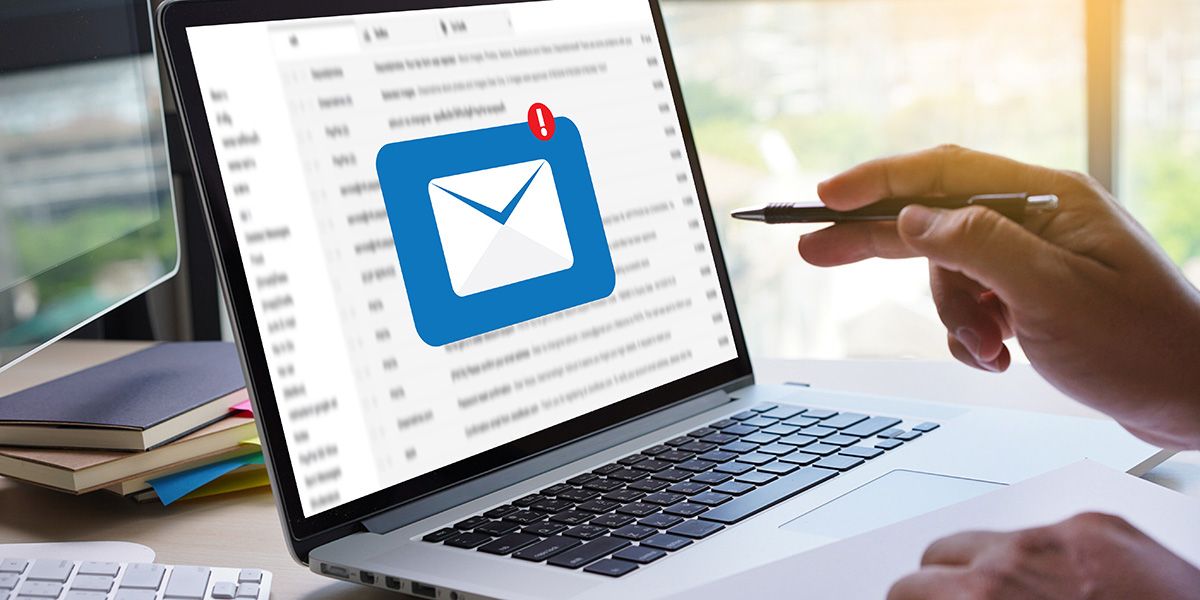
What is a dunning email?
A system-generated reminder sent when a customer’s invoice becomes past due.
Why are dunning emails important for SaaS businesses?
They help recover failed payments early, preventing revenue loss and reducing involuntary churn.
What usually causes failed payments?
Expired cards, insufficient funds, incorrect billing details, bank declines, or AP processing delays.
Recipient & Contact Management
Who should receive dunning emails?
Only the designated billing or accounts-payable contacts.
Why is it a mistake to email every CRM contact?
It causes internal confusion for your customer and makes your company look disorganized.
How do outdated contacts end up on dunning emails?
CRMs often pass stale or irrelevant contacts into the billing system.
Email Sender & Trust Issues
Why shouldn’t dunning emails come from your billing vendor’s domain?
Customers may perceive it as a phishing risk.
What’s the benefit of sending reminders from your own domain?
Higher trust, better open rates, cleaner user experience.
Invoice Handling & Consolidation
Should dunning run per invoice or per account?
Account-level dunning is best. It reduces clutter and prevents conflicting notifications.
What problems arise from per-invoice dunning?
Customers may get multiple reminders with different amounts, causing confusion.
How can companies consolidate overdue balances?
Send a single statement summarizing all outstanding invoices.
Payment Timing & Automation Accuracy
How do customers get dunned even after paying?
Manual payment methods take longer to hit the system.
How can companies avoid this?
Delay dunning initiation for payments like wires or checks that require manual reconciliation.
Why do check payments need special handling?
Checks take longer to arrive and clear, so standard automation doesn’t always apply.
How much buffer time should be added for check payers?
Typically a few extra days, depending on your historical clearing time.
Customer Communication & Sensitivity
Should you continue dunning after a customer promises to pay?
No. It damages trust and makes your communication feel robotic.
How can you pause dunning temporarily?
Use a suppression flag or a manual override in your billing or CRM platform.
Disputes, Issues & Renewals
Why stop dunning during a billing dispute?
It’s inappropriate to demand payment while working to resolve an issue.
What types of billing disputes typically trigger suppression?
Pricing discrepancies, usage disagreements, SLA concerns, or unapproved add-ons.
Should dunning run during renewal negotiations?
No. Renewal conversations often naturally delay payment—dunning interferes with the deal.
Why do renewals sometimes look late even when the customer intends to sign?
Legal reviews, procurement steps, and internal approvals often take time.
Operational Management & Improvement
What operational issues typically cause dunning mistakes?
Misaligned data, stale contacts, rigid automations, and poor CRM hygiene.
How can companies improve their dunning processes overall?
Use cleaner data, better notification rules, aligned CRM-billing workflows, and human intervention when needed.
How do you know your dunning process is too aggressive?
Customers complain about frequency or recipients being inappropriate.
How do you know your dunning process is too passive?
You see long overdue invoices and high involuntary churn.
How often should dunning workflows be reviewed?
A quarterly review is ideal for most SaaS companies.
One-Sentence Takeaway
An effective dunning process is clear, respectful, coordinated, and driven by accurate data—not a flood of automated reminders.
See Ordway’s accounts receivable automation software in action.
You May Also Like
 Electronic Bank Statement Formats
Electronic Bank Statement Formats
 Bad Debt Write Off: How to Handle Uncollectible Accounts
Bad Debt Write Off: How to Handle Uncollectible Accounts
 What Is a Negative Invoice and When Should You Use One